A written house cleaning checklist is the difference between a clean that feels thorough and one that gets a callback. Clients notice missed baseboards, streaky mirrors, and trash bins that weren’t relined. A checklist prevents all of that. It also becomes your training document when you hire your first cleaner — hand them the list, walk a house together, and they know exactly what “done” looks like.
This article contains affiliate links. If you purchase through our links, we may earn a small commission at no extra cost to you.
The Standard Clean vs. the Deep Clean
Before you print anything, know the difference between these two service types — because they determine what’s on your checklist.
A standard clean (also called a maintenance clean) is what recurring clients get every visit. You’re wiping surfaces, cleaning bathrooms, handling the kitchen, vacuuming, and mopping. This is the bread and butter of residential cleaning.
A deep clean goes further. Inside the oven. Behind the refrigerator. Scrubbing grout. Cleaning window tracks. Ceiling fan blades that haven’t been touched in six months. Most cleaners charge 1.5x to 2x the standard rate for a deep clean because it takes significantly longer.
This checklist covers the standard clean. Deep clean additions are marked with [Deep Clean Only] so you can use the same list for both service types.
One more thing: always do a walkthrough with the client on the first visit. Ask about surfaces that need special care — granite countertops, hardwood floors, natural stone in the bathroom. You don’t want to find out the hard way that their marble vanity scratches if you use the wrong cleaner.
Before You Start — Order of Operations
Two rules will cut your cleaning time by 30-40% once they become habit.
Top to bottom. Dust falls. If you mop the kitchen floor and then wipe the countertops, crumbs land on your clean floor. Start at the highest point in each room (ceiling fans, top shelves) and work your way down. The floor is always last.
Dry before wet. Dust and sweep before you spray and wipe. Dry dust glides off surfaces. Wet dust turns into sticky smears that take twice as long to remove.
For room sequence, work through the house in this order:
- Bedrooms
- Living areas
- Bathrooms
- Kitchen
- Floors throughout (vacuum first, then mop)
Bathrooms and the kitchen go last because they’re the most product-heavy rooms. You want your cleaning solutions to have dwell time while you handle the drier rooms first.
Quick Tip: Work the same way through every house — same room order, same routine within each room. Speed and quality both increase when you’re not thinking about what comes next.
Bring your own products. Ask about any surfaces that require special care on the first visit, and note it on the client’s file so you remember next time.
Kitchen Checklist
Time estimate: 20-30 minutes for a standard clean.

- Clear and wipe countertops — move everything, spray, wipe, replace items where you found them
- Clean stovetop — remove burner covers if gas, spray and wipe, clean drip pans
- Wipe down the exterior of microwave, refrigerator, and dishwasher
- Clean inside the microwave — loosen splatter with steam (bowl of water + a lemon slice, microwave 2 minutes), then wipe the interior
- Clean the sink — scrub the basin, shine the faucet, wipe under the faucet lip where grime hides
- Wipe cabinet faces and drawer fronts
- Clean the backsplash
- Sweep or vacuum the kitchen floor
- Mop the kitchen floor
- Empty trash and reline the bin
[Deep Clean Only]: Inside the oven, inside the refrigerator, dishwasher filter, and under appliances.
A good all-purpose cleaner handles most kitchen surfaces. For grease buildup on the stovetop and range hood, a dedicated degreaser from Amazon cuts through it faster than all-purpose spray. Keep both in your caddy.
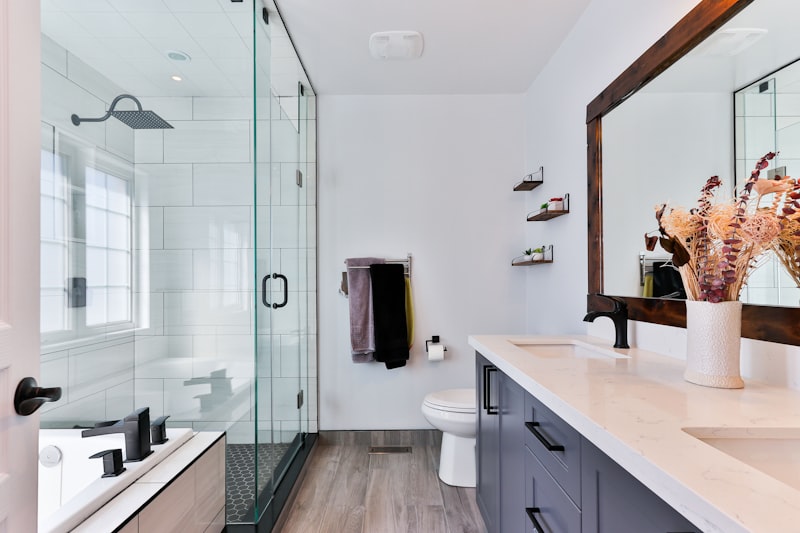
Bathroom Checklist
Time estimate: 15-25 minutes per bathroom.
- Spray the toilet — bowl, under the rim, exterior, and base. Let the cleaner dwell while you handle other surfaces
- Wipe the mirror — glass cleaner and a microfiber cloth. No paper towels (they leave lint)
- Clean the sink — basin, faucet handles, drain area
- Wipe the vanity surface and cabinet faces
- Clean the toilet — bowl brush inside, then wipe exterior (seat, lid, base) with a separate cloth
- Clean the shower or tub — spray surfaces, scrub with a brush or sponge, rinse
- Wipe shower glass or curtain
- Sweep and mop the floor
- Replace towels (if providing linen service) or straighten existing towels
- Empty trash and reline the bin
[Deep Clean Only]: Scrub grout lines, detail around the toilet base, clean the shower drain, organize under-sink cabinets.
The bathroom is where speed comes from product dwell time. Spray the toilet first, then clean everything else in the room. By the time you circle back, the cleaner has done half the work for you.
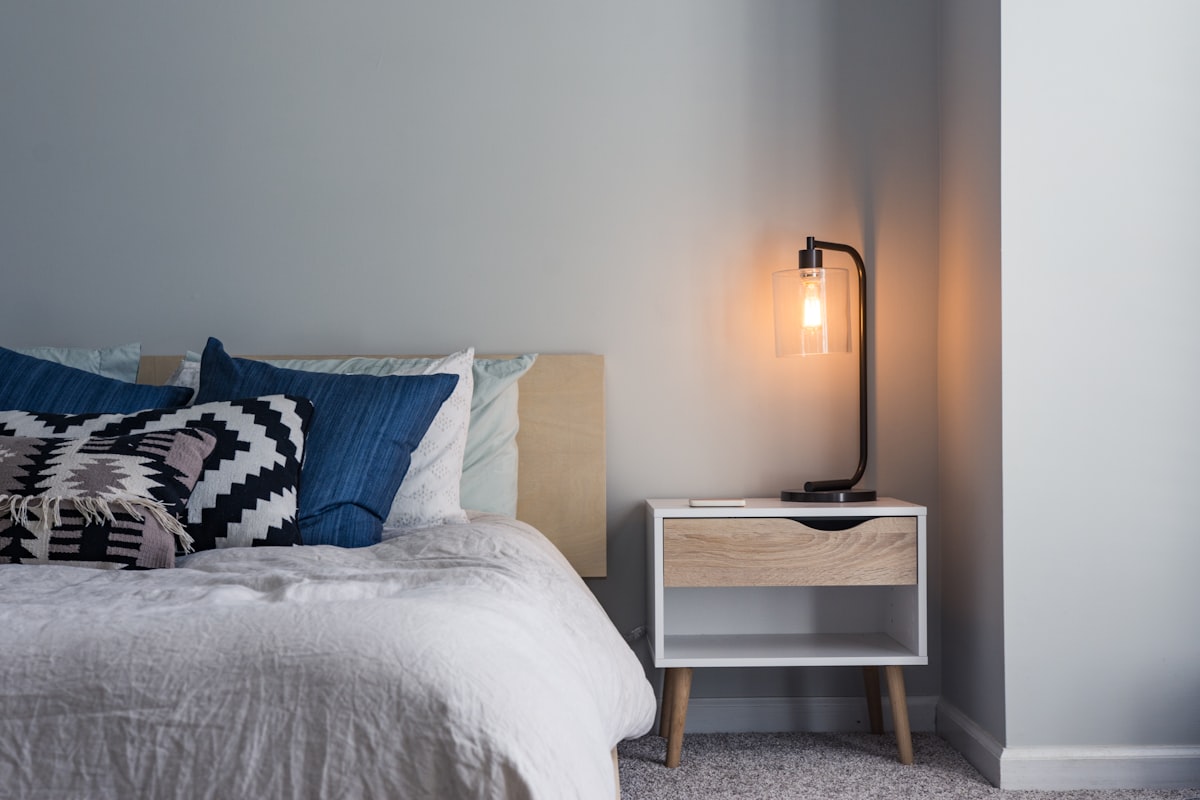
Bedroom Checklist
Time estimate: 15-20 minutes per bedroom.
- Change bed linens (if the client provides fresh sets) or make the bed neatly — hospital corners if you want to look professional
- Dust all surfaces — nightstands, dressers, lamps, decor items
- Clean mirrors
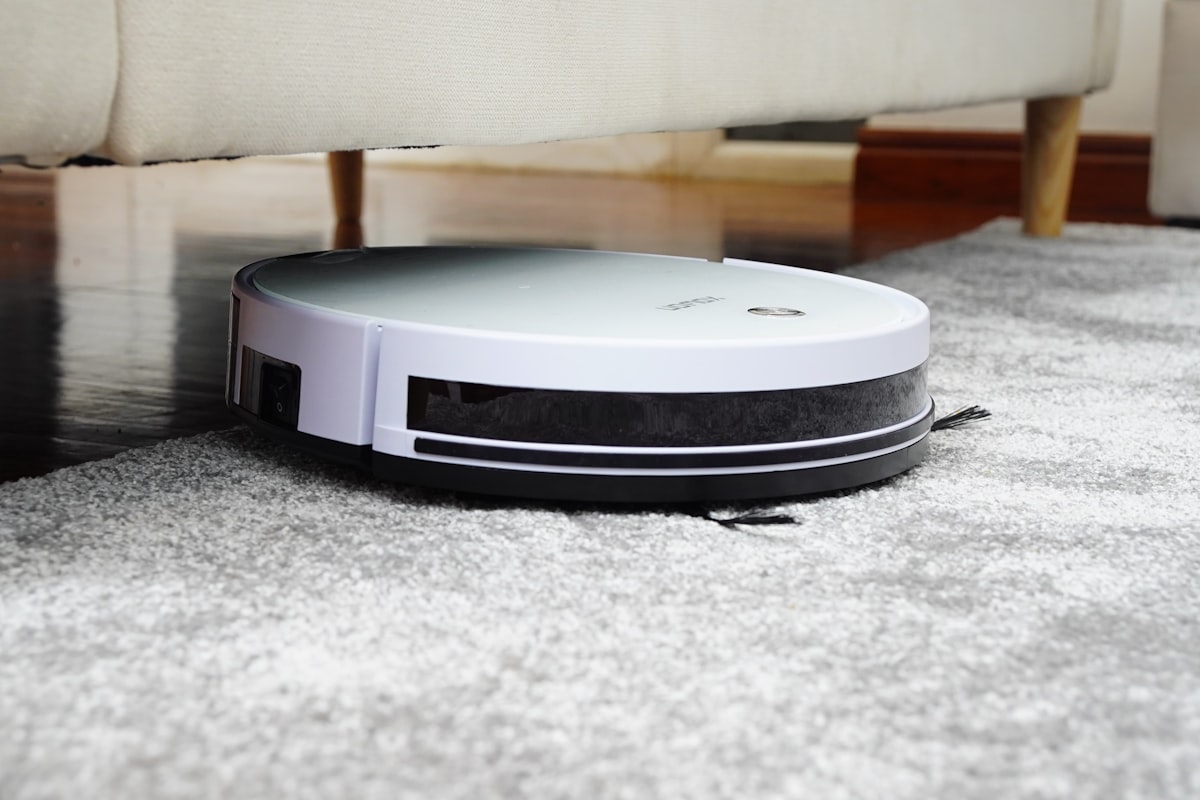
- Vacuum carpet or sweep and mop hard floors
- Dust ceiling fan blades
- Wipe windowsills
- Vacuum under the bed (or move furniture to sweep)
- Empty trash
[Deep Clean Only]: Inside closets, window washing, organize drawers (only if requested — never rearrange a client’s belongings without asking).
Bedrooms are the fastest rooms in the house. Most of the time goes to making the bed and dusting. If you can make a bed in under 3 minutes with crisp corners, you’re on track.
Living Room and Common Areas Checklist
Time estimate: 15-25 minutes.
- Dust all surfaces — shelves, tables, entertainment centers, decorative items
- Wipe down the TV screen with a dry microfiber cloth only (no spray — chemicals damage screens)
- Vacuum sofa cushions and under the cushions
- Clean glass surfaces — coffee table, picture frames
- Dust baseboards
- Dust ceiling fan blades
- Vacuum carpet or sweep and mop hard floors
- Straighten cushions and throws
[Deep Clean Only]: Wipe down all baseboards in detail, clean light switch plates, vacuum curtains or drapes.
Living rooms look dramatically better with just dusting and vacuuming. The real difference-maker is moving the couch cushions — clients notice when you vacuum crumbs out of the cracks.
Entryway, Stairs, and Hallways
Time estimate: 5-10 minutes.
- Sweep or vacuum stairs and hallway
- Mop hard-surface stairs if applicable
- Wipe down the handrail
- Dust any entryway furniture, mirrors, or decor
- Spot-clean marks on walls (visible scuffs only — don’t scrub painted walls with harsh chemicals)
These areas take the least time but leave a strong impression. The entryway is the first and last thing the client sees after a clean.
The Final Walkthrough
Never leave a house without a 3-minute walkthrough. You will catch something every single time. Here’s what to check:
- Every room smells fresh and looks visually clear
- No cleaning products or supplies left behind (this happens more often than you’d think)
- No missed surfaces visible from the doorway — stand where the client would stand
- Client’s items are back where they were (don’t rearrange decorative items)
- All trash bins are relined
Leave a simple “your home was cleaned by [your business name]” card on the kitchen counter. It builds trust, reminds them who cleaned, and makes it easy for them to refer you. According to a Thumbtack industry survey, word-of-mouth referrals remain the top source of new clients for residential cleaners — a branded card makes that referral effortless.
Tracking Your Checklist as Your Business Grows
A paper checklist works fine when you’re solo. Print it, laminate it, bring it to every job. You can get a pack of self-laminating sheets on Amazon for under $10.
But once you have 3 or more cleaners, paper falls apart. You’re not at every job anymore. You can’t verify that your new hire actually cleaned behind the toilet or wiped the microwave interior.
That’s where digital checklists pay off. ZenMaid lets you attach a checklist to each client’s recurring job. Your cleaners see it on their phone and check off each item as they go. You get documented proof that the work was done — which matters when a client calls to say the bathroom wasn’t cleaned (and your cleaner’s completed checklist shows it was).
ZenMaid starts at $19/month and is built specifically for maid services. If you’re still running jobs with text messages and a paper calendar, it’s worth a look once you’re past the solo stage.
Try ZenMaid Free — Attach Checklists to Every Client Job
Put This Checklist to Work
A standard residential clean for a 3-bedroom, 2-bathroom house should take 2 to 3 hours solo once you have a routine. If you’re taking longer, it’s usually because you’re not following a consistent order — you’re backtracking, second-guessing what you already cleaned, or spending too much time on details that fall under a deep clean.
Print this checklist. Laminate it. Bring it to every job until the sequence is automatic.
If you’re just getting started, read the full startup guide for everything from LLCs to insurance to getting your first clients. And make sure you have the right cleaning supplies for every item on this list — the wrong products slow you down and can damage client surfaces.
Not sure what to charge? Our pricing guide breaks down hourly vs. flat rate so you can quote with confidence.
Download this checklist as a printable PDF — one page per room, ready to print and laminate. Perfect for bringing to job sites or handing to new hires on day one.