You don’t need a $40,000 cargo van. Most solo cleaners start with their own car and a well-organized trunk — and that’s the right call. Your vehicle setup should match your business stage, not your ambition. A Honda CR-V with a $25 caddy and some stackable bins will get you through your first 20 recurring clients without a single complaint.
This guide covers exactly how to organize whatever you drive right now, what to spend money on (and what to skip), and when it actually makes sense to upgrade.
This article contains affiliate links. If you buy something through our links, we may earn a small commission at no extra cost to you. We only recommend products we’d actually use.
What Vehicle Do You Actually Need?
Here’s the honest answer: whatever you’re driving right now is probably fine.
Solo cleaner (1-10 clients): Your personal car or SUV works. A sedan trunk fits a cleaning caddy, a bin of supplies, and a vacuum. An SUV or hatchback gives you more room but isn’t required. Monthly cost: $0 beyond what you’re already paying.
1-2 crew members (10-25 clients): A minivan or small SUV gives you the space to carry supplies for a full day without restocking. The Kia Carnival, Honda CR-V, and Toyota RAV4 are all popular with cleaning crews. A used minivan runs $250-$350/month financed.
Growing team (25+ clients): This is when a cargo van starts making sense. The Ford Transit Connect and Ram ProMaster City are the workhorses of the cleaning industry — big enough for a full shelving system, small enough to park in residential driveways. Budget $400-$600/month for a used cargo van payment.
The rule of thumb: don’t buy a van until you have consistent income covering the payment. Your car works for the first 6-12 months. Plenty of cleaners doing $4,000-$5,000/month in revenue still use an SUV.
The Essential Organization System
A good mobile cleaning setup comes down to three things: your caddy, your cargo area, and your backup supplies. Get these right and you’ll walk into every job looking like you’ve been doing this for years.
The Cleaning Caddy
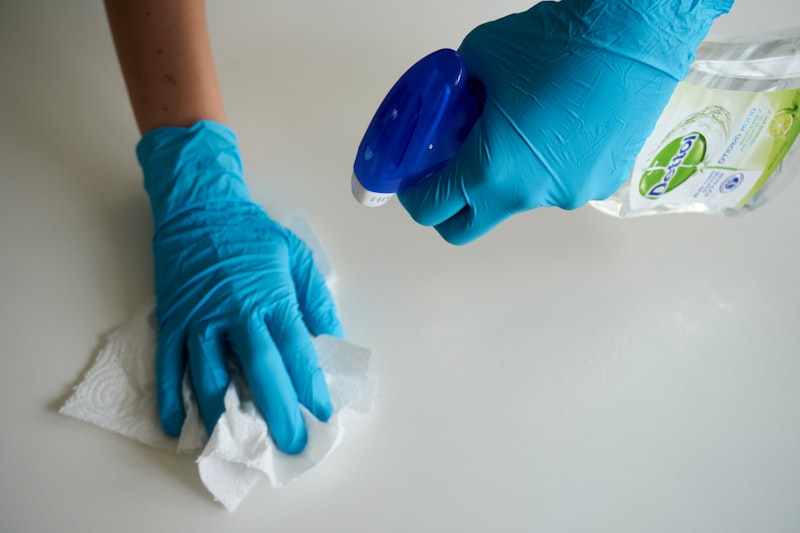
Your caddy is what you actually carry into the house. It needs a handle, compartments for bottles and brushes, and enough room for everything you use on a standard clean.
What goes in it:
- All-purpose cleaner
- Glass cleaner
- Bathroom cleaner (or a disinfectant that doubles)
- 4-6 microfiber cloths
- Scrub brush
- Rubber gloves
- Trash bags (folded flat in the bottom)
Top pick: Rubbermaid Commercial Deluxe Carry Caddy — around $20-$25 on Amazon. It’s the one you’ll see in most cleaning business Facebook groups because it actually holds up. Eight compartments, solid handle, fits under most sinks.
Budget pick: Casabella Cleaning Storage Caddy — around $14 on Amazon. Smaller and lighter, but gets the job done for a solo cleaner just starting out.
Don’t overthink this. A caddy is a caddy. Grab one, load it up, and start cleaning. You can always upgrade later.
The Trunk and Cargo Setup
This is where your cleaning van organization makes or breaks your day. A messy trunk means wasted time digging for supplies between jobs, bottles rolling around, and dirty rags mixing with clean ones.
The system that works for most cleaners:
- Bin 1: Clean supplies — full bottles, fresh microfiber, new sponges
- Bin 2: Dirty laundry — used microfiber cloths, rags, anything that needs washing
- Bin 3: Paper goods and restocking — paper towels, toilet paper, trash bags, refill bottles
For a car trunk or SUV, stackable bins with lids from any big box store work fine. Secure them with a bungee cord so they don’t slide. Total cost: $15-$20 for bins plus a couple bungee cords.
For a cargo van or truck, a DECKED Drawer System turns your cargo floor into pull-out drawers with a 200 lb capacity per drawer. They start around $1,700, so this is a “you’re established and tired of digging through bins” upgrade — not a day-one purchase. But if you’re running multiple crews and loading vans every morning, DECKED systems pay for themselves in time savings.
Quick Tip: Milk crates and bungee cords are the cleaning industry’s best-kept secret for a starter setup. They’re stackable, ventilated, and cost about $5 each at Home Depot. Most cleaners doing $3K-$5K/month are still using them.
The “Go Bag”
This stays in your vehicle at all times. It’s the stuff you don’t use every clean but will save you when something goes sideways.
Keep a small bag or bin with:
- Extra rubber gloves (2-3 pairs)
- Trash bags
- Roll of paper towels
- Spare batteries (for client remotes you accidentally kill)
- Replacement light bulbs (60W and 100W — clients notice burnt-out bulbs)
- A basic stain removal kit (hydrogen peroxide, baking soda, dish soap)
- First aid kit
The go bag costs maybe $20-$30 to put together and will bail you out of an awkward moment at least once a month.
How to Keep Your Vehicle Clean
Your vehicle is a mobile billboard. If you pull up to a client’s house in a car with fast food wrappers on the dash, that’s the first impression — and it’s a bad one.
Build these habits:
End of every day:
- Remove all trash
- Restock your caddy for tomorrow
- Wipe down surfaces that got spray residue
Once a week:
- Vacuum the interior
- Wash the exterior (a quick drive-through wash is fine)
- Check supply levels and reorder anything running low
Two cheap upgrades that protect your interior: waterproof seat covers (around $25-$40 for a pair on Amazon) and rubber floor mats ($20-$30). Both are worth it if you’re hauling wet mops and chemical bottles daily. You can find both through Amazon.
Branding Your Vehicle

You don’t need a full wrap on day one. Start cheap, test your branding, and upgrade when you have the revenue to justify it.
Vehicle magnets (start here): Removable, cheap, and perfect for testing your branding. A pair of door magnets with your business name, phone number, and website runs $30-$50 through BuildASign. They go on in seconds and come off when you want to use your personal car on the weekend. Vistaprint also does quality magnets and decals in the same price range.
Partial vehicle wrap: Once you’re confident in your branding, a partial wrap covers the doors and rear for a more polished look. According to industry pricing data from The Stick Co, expect to pay $500-$2,500 depending on coverage and your local market. This is semi-permanent — plan to keep it for at least a year.
Full vehicle wrap: The best ROI for visibility, but save this for when you’re established. A full wrap on a van or SUV runs $2,500-$5,000+ per Kelley Blue Book’s pricing guide. Wait until your branding is dialed in and you’re driving a vehicle you plan to keep for several years.
What to include on your vehicle branding:
- Business name (large, readable from 30 feet)
- Phone number
- Website
- “Licensed & Insured” (clients look for this)
What to leave off:
- Pricing (you don’t want to negotiate before they call)
- Too much text (no one reads a paragraph on a moving van)
- Clip art or stock icons (they scream amateur)
Total Setup Cost: Budget vs. Standard vs. Premium
Here’s what a complete cleaning business van setup costs at three levels:
| Item | Budget | Standard | Premium |
|---|---|---|---|
| Cleaning caddy | $14 (Casabella) | $25 (Rubbermaid) | $25 (Rubbermaid) |
| Storage bins/system | $15 (milk crates + bungees) | $40 (stackable bins + shelf) | $1,700 (DECKED drawers) |
| Vehicle magnets/branding | $35 (BuildASign magnets) | $50 (magnets + door decals) | $500-$2,500 (partial wrap) |
| Go bag supplies | $20 | $25 | $30 |
| Seat covers + floor mats | — | $60 | $70 |
| Total | $84-$120 | $200-$350 | $800-$1,500+ |
You can have a fully functional, professional-looking mobile cleaning setup for under $120. That’s the budget column, and honestly, it’s what most solo cleaners use for their first year. There’s no shame in milk crates and magnets when you’re building the business.
The premium column is aspirational — something to work toward once you’re consistently booking 20+ cleans per week and have the cash flow to support it.
Your Vehicle Setup Grows With Your Business
Start simple. A caddy, a few bins, and a pair of magnets is enough to look professional and stay organized for your first 6-12 months. Upgrade when your business demands it, not when Instagram makes you feel like you need a $3,000 van wrap.
If you’re still building your first cleaning kit, check out our complete supplies checklist — it covers everything you need to buy (and what you can skip). Wondering about total startup costs beyond the van? Our startup cost breakdown has the full picture.
And once your van looks sharp, you’ll need clients to drive to. Our flyer templates guide shows you how to design door hangers and flyers that actually get calls.
Want the full list of supplies in one place? Grab our free Cleaning Supplies Shopping List — it includes everything from chemicals to caddies to backup items, with links to where to buy each one.