Most new cleaners blow $800+ at Home Depot before they have a single client. They buy a steam cleaner they’ll use twice, a carpet extractor for a service they don’t offer yet, and enough chemicals to stock a janitor’s closet. Then they run a $25/hour ad on Facebook and wonder why the math doesn’t work.
Your first cleaning kit should cost $200-$400. Add a vacuum if you don’t already own one, and you’re looking at $350-$750 total. That’s it. Everything else can wait until you have paying clients telling you what they actually need.
This guide covers exactly what to buy on day one, what to add later, and what to skip entirely. This article contains affiliate links, which means we may earn a small commission if you purchase through our links — at no extra cost to you.
The Total Budget Before You Buy Anything
Here’s the honest breakdown before you set foot in a store.
Cost Alert: Day-One Starter Kit Budget
Item Budget Range Vacuum cleaner $150-$350 Microfiber cloths (24-pack) $16-$28 Mop system $35-$45 Cleaning solutions (4-5 products) $40-$60 Cleaning caddy $12-$25 Safety gear (shoes, gloves) $50-$80 Total $303-$588
Without a vacuum (maybe you already own a decent one), you’re looking at $150-$240 for everything else.
The rule is simple: don’t buy anything you can’t use on your first five jobs. If you’re doing standard residential cleans, you don’t need a floor buffer. You don’t need a carpet shampooer. You need the basics done well.
The Non-Negotiable Equipment
These are the items you physically cannot clean a house without. Every dollar spent here is a dollar well spent.
Vacuum Cleaner
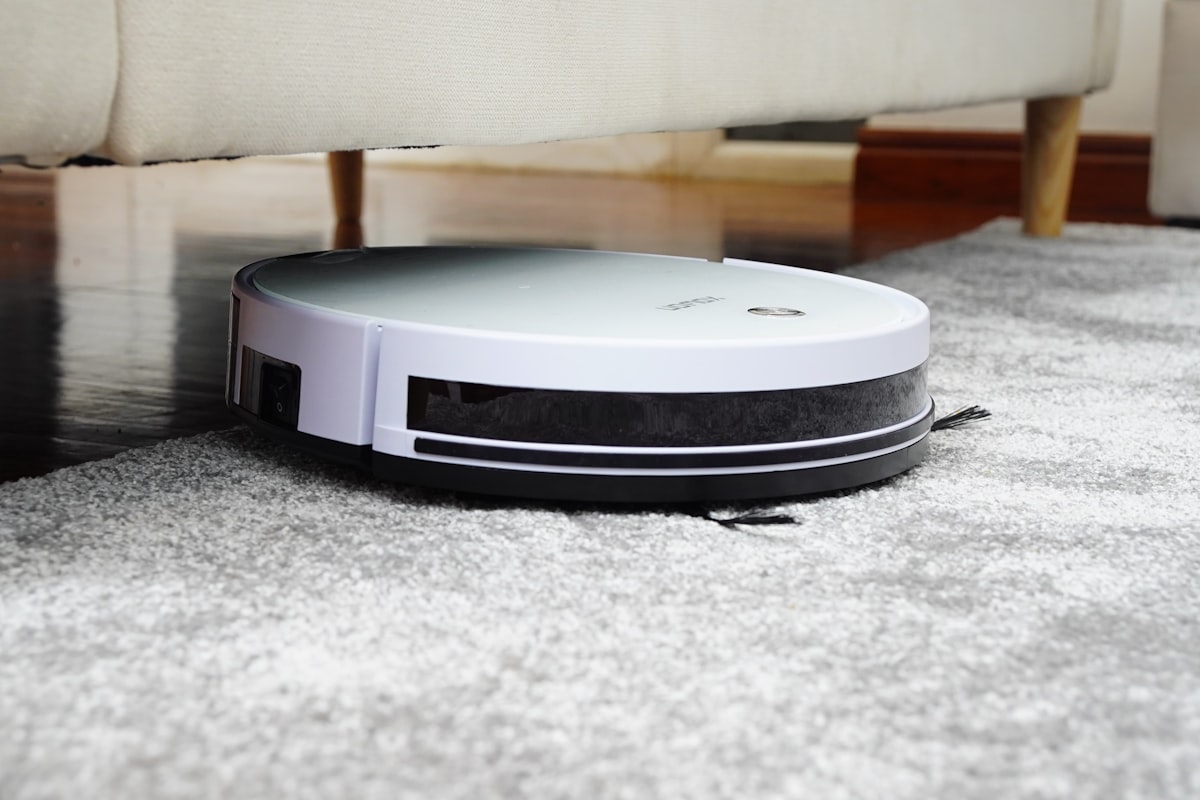
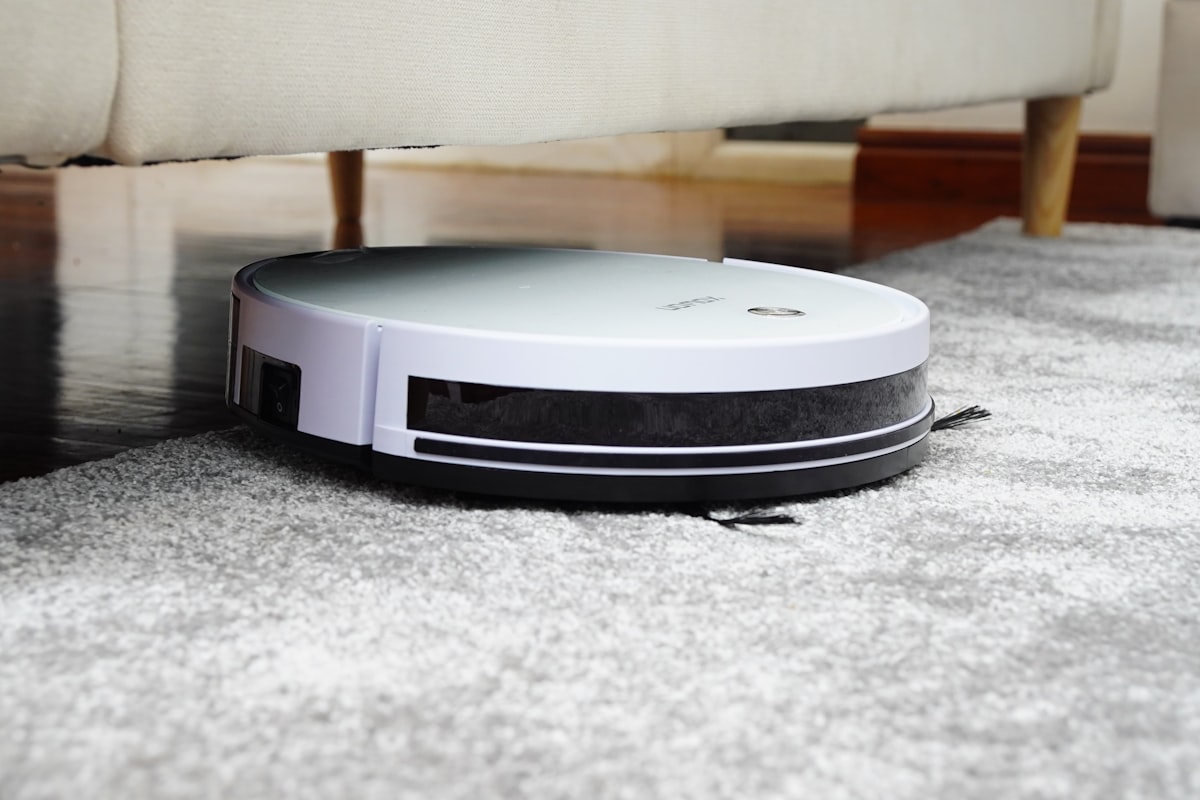
Your vacuum is the most-used tool in your kit. Cheap vacuums die fast under daily professional use — the motors burn out, the belts snap, the suction drops after a few weeks. This is the one item worth spending real money on.
For residential cleaning, you want an upright or canister with a HEPA filter. Here are three tiers depending on your budget:
Budget pick: Hoover WindTunnel (~$100-$150). Reliable, widely available, and you can find replacement parts at any Walmart. Not glamorous, but it gets the job done for your first 6-12 months.
Best value: Shark Navigator Lift-Away (~$160-$220). This is what most solo cleaners end up buying. It’s lightweight, has HEPA filtration, and the lift-away canister makes stairs and furniture easy. According to NBC News, it regularly goes on sale for over $100 off retail — watch for deals.
Pro pick: ProTeam backpack vacuum ($350-$525). This is what commercial cleaning crews use. If you’re planning to do volume (15+ cleans per week), a backpack vac cuts your vacuuming time by 30-40%. It’s a real investment, but ProTeam motors are built for daily professional use. ProTeam’s lineup includes models ranging from 3-quart to 10-quart capacity — the GoFit 6 is a solid starting point.
What to avoid: Any upright under $80. Those big-box-store specials with the flashy packaging and “200W SUPER SUCTION” claims will fail within months of daily use. You’ll spend more replacing cheap vacuums than you would buying one good one.
Mop System
A flat microfiber mop system beats traditional string mops for residential cleaning. It’s faster, more hygienic, and doesn’t spread dirty water from room to room.
Recommendation: O-Cedar EasyWring Spin Mop (~$35-$45). There’s a reason this is America’s best-selling spin mop. The foot pedal wringing system means you’re not bending over to wring a mop head, and the microfiber heads are machine washable and replaceable. Most solo cleaners I know use some version of this.
Skip traditional string mops (they belong in commercial spaces, not someone’s kitchen). Skip steam mops for now too — they’re useful but not essential on day one.
Cleaning Caddy
A plastic cleaning caddy keeps your supplies organized and portable inside a client’s home. Without one, you’re making 15 trips back to your car.
A simple plastic caddy or tote runs $12-$25. Nothing fancy — just something with a handle and compartments.
Quick Tip: Color-code your caddies — one for bathrooms, one for kitchens. This prevents cross-contamination (no one wants toilet cleaner residue near their kitchen counters) and it looks professional when clients see your system.
Microfiber Cloths
Buy 24-36 microfiber cloths minimum. You need enough to rotate through a full clean without washing mid-job. A standard 3-bedroom house uses 8-12 cloths if you’re doing it right — separate cloths for bathrooms, kitchen, mirrors, and general surfaces.
Do not use paper towels for most surfaces. They waste money, leave lint on mirrors, and scream “amateur.” Microfiber does a better job on almost everything.
Recommendation: Zwipes Microfiber Cleaning Cloths 24-pack (~$16-$22) or Buff Pro Multi-Surface cloths (~$20-$28). Both hold up well through hundreds of washes.
One care note: wash microfiber separately from regular laundry and never use fabric softener. Softener coats the fibers and kills their cleaning ability.
Cleaning Solutions (What to Stock)
Keep it simple. Four to five solutions cover 95% of residential cleaning needs. Don’t stock a separate product for every surface — overlap saves you money and bag space.
-
All-purpose cleaner — Branch Basics concentrate or Method All-Purpose ($12-$20). Covers counters, appliances, and most hard surfaces.
-
Bathroom disinfectant — You need an EPA-registered product for toilets, sinks, and tubs. Lysol Bathroom Cleaner or Seventh Generation Disinfecting Bathroom Cleaner (~$5-$8).
-
Glass and mirror cleaner — Sprayway Glass Cleaner (~$5) is what most pros use. Or make your own with diluted white vinegar — practically free.
-
Degreaser (kitchen) — Simple Green Concentrated (~$10-$15). It dilutes heavily and a single bottle lasts months.
-
Floor cleaner — Bona Multi-Surface Floor Cleaner (
$12) or Zep Floor Cleaner ($8-$10). Zep is a favorite among professional housekeepers for hardwood because it doesn’t leave residue.
The eco-friendly angle: Stocking non-toxic, fragrance-free products like Branch Basics, Better Life, or Seventh Generation lets you market yourself as an “eco-friendly cleaner.” According to cleaning industry forums, this positioning lets you charge 10-20% more — especially valuable for clients with young children or pets. If you’re going to differentiate, this is one of the cheapest ways to do it.
Quick Tip: Use concentrate products whenever possible. A $20 bottle of Branch Basics concentrate makes 30+ bottles of cleaner. Compare that to buying ready-to-use spray bottles at $5 each. The math isn’t close.
For bulk chemical purchases, Home Depot’s cleaning section often beats Amazon on larger quantities of commercial-grade products like Zep and Simple Green.
Safety and Professional Gear
This is where new cleaners underinvest. You’re on your feet all day, often on wet floors, kneeling in tubs, and handling chemicals. Gear up properly.
Non-slip work shoes (mandatory): $40-$80. Wet tile floors are no joke. Shoes for Crews makes slip-resistant shoes specifically designed for people who work on wet surfaces all day — they’re trusted by over 150,000 companies worldwide. WorkingPerson.com is another solid option with a wider selection of work footwear and safety gear.
Heavy-duty rubber gloves: $8-$15 per pair. Get real nitrile or latex gloves — not the thin disposable ones that tear the second you scrub a tub. You want gloves rated for chemical handling.
Knee pads (optional but worth it): $15-$25. If you’re scrubbing tub grout or floor edges by hand, your knees will thank you. A basic pair of gel knee pads makes a real difference by your third clean of the day.
Trash bags (assorted sizes): ~$12 for a 200-count box. Always carry these. Clients expect you to reline every bin you empty. Showing up without trash bags looks unprepared.
What to Skip on Day One
This list will save you hundreds of dollars:
- Steam cleaner — Useful but not essential. Add one after your client base is established and people start asking for it.
- Commercial floor buffer — Only for commercial contracts. You’re cleaning houses right now.
- Carpet extractor / shampooer — Only buy this if you’re specifically marketing carpet cleaning as a service. Most residential cleaners don’t.
- Specialized tile and grout machines — Niche service. Learn your market first.
- Window cleaning poles and squeegees (exterior) — That’s a separate service you can upsell later.
- Van storage organizers — Systems like DECKED run $500+. Optimize your vehicle after you know what your actual load looks like.
The rule: only buy specialty equipment when you have enough demand for that specific service to justify the cost. If three clients ask about carpet cleaning in the same month, then look at extractors. Not before.
Restocking and Cost Per Job
Once you’re up and running, expect to spend $10-$20 per standard clean on consumable supplies (chemicals, trash bags, the occasional cloth replacement).
Microfiber cloths last 200+ washes when cared for properly — the per-job cost is basically zero. Chemicals are your main recurring expense. Track how much you use per job and factor that into your pricing. This is one reason why charging $25/hour is underpriced — your supplies alone eat into thin margins.
A good restocking rhythm: reorder chemicals every 4-6 weeks once you’re running 10+ recurring clients. Buy microfiber in bulk quarterly. Keep a running list on your phone so you’re not making emergency runs to the store before a job.
If you haven’t nailed your pricing yet, factor your supply costs into your rates — most new cleaners forget this line item entirely.
What a $350 Kit Actually Gets You
Here’s a real shopping list with real prices. This is enough to show up at a client’s home and do professional-quality work.
Cost Alert: Complete $382 Starter Kit
Item Price Shark Navigator Lift-Away vacuum $190 O-Cedar EasyWring Spin Mop $40 Zwipes Microfiber 24-pack $20 5 cleaning solutions (listed above) $40 Plastic cleaning caddy $15 Heavy-duty rubber gloves $10 Trash bags (200-count) $12 Non-slip work shoes $55 Total ~$382
That’s a complete cleaning business equipment list for under $400. You could trim it further by using a vacuum you already own and mixing your own vinegar-based glass cleaner.
Start Cleaning, Then Upgrade
Resist the urge to overbuy. A $350 kit gets you through your first 20-30 clients without any issues. After that, you’ll know exactly what you need because your clients will tell you — “Can you do the carpets?” means it’s time for an extractor. “Can you do the windows?” means it’s time for a squeegee kit.
For the full picture on what it costs to get your business off the ground (not just supplies — LLC, insurance, marketing, everything), read our full startup cost breakdown. And if you’re still in the planning stage, our complete startup guide walks through every step from registration to first client.
Want this list in your pocket for the store? Download our Cleaning Supplies Shopping List — sorted by priority, with budget picks and pro picks for each item. Print it, check things off, and don’t buy anything that’s not on it.