Airbnb turnover cleaning pays $75-$200 per clean, takes 2-3 hours, and the same property needs you again in two days. One host with a busy listing can send you 15-20 turnovers a month. A single property manager with 10 units? That’s a full book of business from one relationship.
If you’re already cleaning houses — or thinking about starting — short-term rental cleaning is one of the fastest ways to build steady, well-paid work.
This article contains affiliate links. If you purchase through our links, we may earn a commission at no extra cost to you. We only recommend tools we’d use ourselves.
What Is Airbnb Turnover Cleaning?
A turnover clean is the full reset between guests at a short-term rental. The last guests check out at 11 AM, and the next guests check in at 3 PM. Your job is everything in between.
That means:
- Full clean of the kitchen, bathrooms, bedrooms, and living areas
- Fresh linens on every bed and fresh towels in every bathroom
- Restocking consumables — toilet paper, soap, shampoo, coffee pods, dish soap
- Photo documentation — most hosts want before/after photos texted or uploaded after every turnover
A typical 2-bed/2-bath Airbnb takes about 2-3 hours. You’re not just cleaning a house — you’re resetting it to hotel-quality condition. Every single time.
The pay range sits at $75-$200 per turnover depending on property size and your market. A busy Airbnb might need 15-20 turnovers per month from the same cleaner. That’s built-in recurring work without chasing new clients.
Why Airbnb Cleaning Is a Good Niche to Specialize In
Regular residential cleaning pays well, but Airbnb turnovers have a few advantages worth knowing about.
The math works out better. A $150 turnover done in 2.5 hours is $60/hour. A $150 biweekly residential clean that takes 3 hours is $50/hour. Same price, different pace — and the turnover rewards speed.
The demand is predictable. Residential clients cancel because they’re going on vacation or “the house isn’t that dirty this week.” Airbnb hosts can’t cancel — they have a guest checking in. The booking calendar drives the schedule, not the client’s mood.
One relationship fills your calendar. A property manager running 10 Airbnb units can send you 20-30 turnovers a month. In regular residential cleaning, you’d need 10-15 individual clients to get that volume.
Hosts evaluate you on performance, not personality. They care about speed, consistency, and whether the guest gives a 5-star cleanliness rating. Show up on time, do the work right, send the photos. That’s the job.
According to Rental Scale Up, 73% of property managers identified operations and staffing as one of the biggest constraints on their business in 2025. More than a third said they lost bookings or got negative reviews due to cleaner issues. Hosts are actively looking for reliable turnover cleaners — the supply of good ones is tight.
What’s Different About Airbnb Cleaning
If you’ve been doing standard residential cleans, the shift to Airbnb turnovers isn’t huge — but a few things catch new cleaners off guard.

You’re resetting to a hotel standard, not cleaning a lived-in home. Every surface needs to look untouched. Fingerprints on the stainless steel, a single hair on the bathroom floor, a smudge on the mirror — guests notice, and they mention it in reviews. Hosts lose money when cleanliness ratings drop.
Linen management is part of the job. The professional method: the host keeps two sets of linens per bed. You bring the clean set in, strip the dirty set, and take it home to wash. Next turnover, you bring the freshly laundered set back. This swap system keeps turnovers fast — washing and drying linens at the property adds 2+ hours you don’t want to spend.
Restocking isn’t your expense. Hosts provide consumables (toiletries, paper products, coffee) in a supplies closet at the property. Your job is to restock from what’s there. If supplies are running low, you text the host. Clarify this arrangement before you take the job — you shouldn’t be buying toilet paper out of pocket.
Photo documentation is standard. Most hosts expect photos of each room after every turnover. Some want them texted directly. Others use an app. Either way, snap photos of the made beds, clean kitchen, and bathrooms before you leave. It takes 2 minutes and protects both of you.
The clock is real. A 4-hour window between checkout and check-in means you can’t run behind. If you’re consistently finishing a 2-bed unit in 2 hours, great. If you’re pushing 3.5 hours, the host will find someone faster.
What You’ll Need (Equipment and Supplies)
You need the same core kit as regular residential cleaning, plus a few extras specific to turnover work.
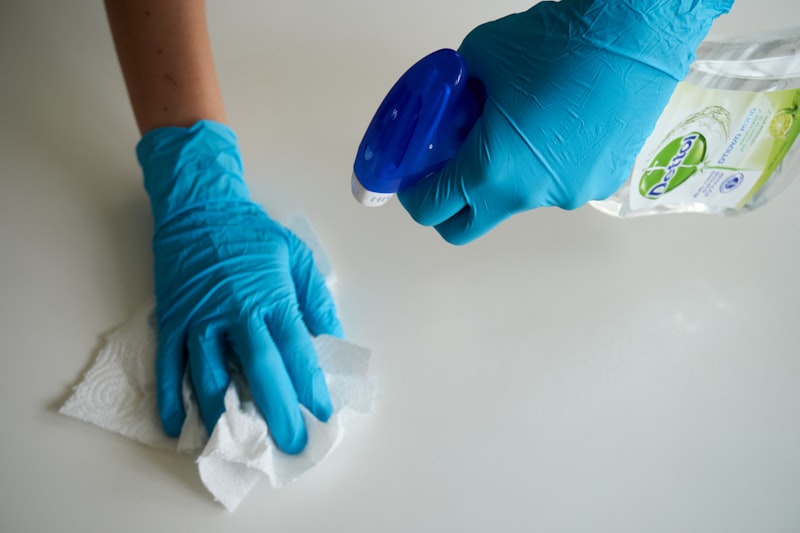
Turnover-specific additions:
- Linen bags — large laundry bags for carrying dirty linens to and from your car. You’ll be hauling sheets, pillowcases, towels, and bath mats every visit. Linen bags on Amazon run about $15-$20 for a set.
- Handheld steamer — useful for quickly freshening pillowcases, removing wrinkles from decorative pillows, and hitting upholstery between deep cleans. Not required, but hosts notice the difference. A good handheld steamer is $30-$50.
- EPA-approved disinfectant spray — Airbnb hosts increasingly require this, especially for bathrooms and kitchens. Standard all-purpose cleaner isn’t enough for some hosts.
- A fast, organized caddy — speed matters on turnovers. Your supplies need to be grab-and-go, not “dig through a tote bag for 5 minutes.”
- Microfiber cloths in bulk — you’ll go through more per clean than residential work because every surface gets wiped. Bulk microfiber packs keep your cost per cloth low.
What the host provides: consumables already at the property (toiletries, paper products, trash bags, dish soap). You don’t need to buy these.
What you bring: your cleaning kit, clean linens (if managing the linen swap), and any specialty products not stocked at the property.
For a full breakdown of everything in a starter cleaning kit, check out our base supplies list.
How to Find Airbnb Cleaning Clients
This is where most guides get vague. Here are the actual channels that work.
Airbnb’s Co-Host Network. Airbnb launched a Co-Host Network where service providers can connect with hosts. The requirements are steep — you need hosting experience and a 4.8+ star rating — but if you qualify, it’s a direct pipeline. If you don’t qualify yet, keep reading.
Local STR property managers. This is the single highest-value channel. Companies that manage multiple Airbnbs for individual owners need reliable cleaners constantly. One property management company can hand you 10-30 turnovers per month.
Find them by Googling “[your city] Airbnb property management” or “[your city] short-term rental management.” Visit their website, find the operations contact, and send a short email: who you are, that you do turnover cleans, that you carry insurance, and your availability.
Facebook groups. Search for “[your city] short-term rental owners” or “[your city] Airbnb hosts” on Facebook. These groups are active in tourist markets. Join, be helpful for a week, then introduce yourself as a turnover cleaner with availability. Post a before/after photo if you have one.
VRBO and direct listing sites. Same market, different platform. Search VRBO listings in your area, find the host’s contact info, and reach out directly.
Your existing clients. If you already clean houses, ask your current clients: “Do you or anyone you know own any short-term rental properties?” You’d be surprised how often the answer is yes.
Nextdoor. Post in the “recommendations” section offering Airbnb turnover cleaning. Hosts on Nextdoor are specifically looking for local service providers.
How to Price Airbnb Turnover Cleans
Price by property size. This is the standard the industry uses, and hosts expect it.
Airbnb Turnover Pricing by Property Size
Property Size Turnover Rate Studio / 1-bedroom $75 - $110 2-bedroom / 2-bath $120 - $175 3-bedroom / 2-bath $150 - $220 4+ bedrooms $200 - $350+
Linen service add-on: If you’re managing the linen swap and laundry, add $30-$75 per turnover depending on the number of beds. This covers your time, detergent, and wear on your washer/dryer.
Last-minute premium: Same-day or next-day turnovers should carry a 20-30% premium. Hosts who need emergency coverage pay it without pushback — they have a guest arriving.
Minimum per turnover: Set a floor of $85 for any job that requires driving there and back. Below that, your hourly rate after gas and drive time drops below what regular residential cleaning pays.
Don’t underprice to land your first host. Hosts who pay bottom-dollar rates are the same ones who complain about every detail and leave you for someone $10 cheaper. Price fairly, deliver consistently, and you’ll keep clients for years.
For more on structuring your rates, read our guide on how to price cleaning services.
Managing Airbnb Clients With Scheduling Software
Here’s the operational challenge with Airbnb cleaning: the schedule changes constantly. Turnovers get added 24-48 hours out. A guest extends their stay and your Thursday clean moves to Saturday. A last-minute booking means you need to fit in a turnover tomorrow morning.
If you’re managing 3+ Airbnb properties alongside residential clients, tracking it all in a text thread gets messy fast.
Jobber handles this well. Its dispatch view and client portal let you manage multiple properties per host, and hosts can send job requests directly through the system. You get mobile notifications when new turnovers come in, which matters when you need to respond within hours. Jobber starts at $39/month.
ZenMaid is built specifically for maid services and works well if you have 1-3 Airbnb clients alongside your regular residential book. It starts at $19/month and keeps things simple.
Pro tip: Ask your regular Airbnb hosts to share their booking calendar with you. Most hosting platforms have a calendar sharing feature. If you can see upcoming checkouts a week in advance instead of getting a text the night before, your scheduling gets dramatically easier.
Getting Insurance for Airbnb Work
Hosts will ask if you’re insured. Not “might ask” — will ask. Especially property managers who handle multiple units. They need your Certificate of Insurance (COI) on file before they’ll put you on their cleaning roster.
The good news: your standard general liability insurance covers Airbnb turnover cleaning. It’s residential cleaning — the property just happens to be a rental. You don’t need a special policy.
NEXT Insurance is what most solo cleaners use because you can get a quote online in about 5 minutes and download your COI instantly. When a host texts “Can you send me your insurance info?” you can have it in their inbox before you finish lunch. Most solo cleaners pay $30-$60/month for general liability through NEXT.
Have your COI ready before you start pitching hosts. It’s one of the first things they ask for, and having it ready signals that you’re a professional — not someone cleaning on the side without coverage.
Start With One Host and Build From There
You don’t need 20 Airbnb clients to make this work. Start with one. Do the turnovers right — fast, consistent, with photos every time. That host will refer you to other hosts. Property managers talk to each other. One good relationship turns into three.
The Airbnb cleaning niche is high-frequency, well-paid, and built for cleaners who show up reliably. If you’re already doing residential work, adding turnovers to your schedule is the fastest way to fill gaps in your calendar with premium-rate jobs.
Next steps:
- Read our full startup guide if you’re starting from scratch
- Grab our supplies checklist to make sure your kit is turnover-ready
- Learn how to get your first cleaning clients beyond the Airbnb niche
- Compare scheduling tools in our best cleaning business software guide — managing multiple Airbnb hosts without software gets chaotic fast
Download our free Airbnb Turnover Cleaning Checklist — every step, room by room, ready to print and use on your first job. It covers the full turnover sequence from the moment you walk in to the final photo documentation.